

Tutorials

How to Reset Network Settings When Connectivity Fails

If your phone or tablet isn't connecting, resetting network settings can restore Wi-Fi and Bluetooth. Learn these step-by-step solutions for fast, reliable recovery and stress-free tech.

Advertisement

Losing your connection can feel like losing your voice during a crucial call. When nothing seems to work, you might consider a reset network settings action for relief.

Connection breakdowns disrupt streaming, calls, work, and play far beyond minor annoyances. Good digital habits include knowing clear, safe ways to recover when devices refuse to sync or connect properly.

This guide explains exactly what reset network settings changes, why it restores connectivity, and details steps to ensure you solve problems without surprises. Dive in and regain your online flow.

Restoring Connections: Know What Actually Changes

Resetting network settings returns your device’s communication settings to factory defaults, so familiar networks may disappear until you reconnect. This process solves many persistent issues cleanly.

Users often reach for reset network settings as a remedy when Wi-Fi drops or apps refuse to sync, preferring a quick fix over deeper troubleshooting. It’s a powerful option, but understanding its reach helps avoid repeat surprises.

DNS and Custom Proxy Info: What Gets Cleared

DNS information, along with any manually entered proxy details, will be erased after you reset network settings. Expect to reconfigure these if needed for work or private browsing.

Devices revert to automatic DNS, simplifying troubleshooting, but customized routes and VPN settings fade away. Always recover these details if your workflow depends on nonstandard network changes.

A typical scenario: “My phone forgot the work VPN right after reset network settings.” To prevent lost productivity, jot down VPN names and passwords before you begin.

Wi-Fi and Bluetooth History: Start Fresh, Lose Clutter

All saved Wi-Fi networks and Bluetooth pairings disappear, clearing possible connection glitches and passcode confusion. Resetting wipes lingering settings that sometimes block reconnection attempts.

Bluetooth car connections, old speakers, or defunct printers vanish with reset network settings. Re-pair only the essentials — you’ll build a cleaner, less cluttered device list afterward.

Pairing fresh keeps you mindful about what gadgets use your network, reducing random glitches from legacy device interference next time you want solid connectivity.

Reset Effect What Is Removed What Remains Action After Reset
Wi-Fi All saved networks and passwords OS updates, system apps Reconnect to each Wi-Fi network manually
Bluetooth Paired devices and car kits Bluetooth functionality Repair with headphones or car systems as needed
Mobile Data Preferred APN settings Carrier plan and SIM card info Re-enter APN if you use custom mobile data options
VPN Settings All VPN configurations VPN apps and profiles Set up VPN credentials again if you need secure remote access
Custom DNS Manually added DNS servers Default system DNS Add preferred DNS servers if needed (for speed or privacy)

Pinpoint and Fix: Addressing Common Connectivity Issues

Before you jump to reset network settings, identifying patterns can clarify if the issue’s network-wide or device-specific. Observation here saves repeated resets and wasted effort.

Noticing that only one device fails to connect points to a settings issue, while a house-wide outage means your router or internet provider deserves attention first.

Signal Dropouts and Slow Speeds: Check and Tweak

Walk around and observe signal bars or speed at different points. Areas of sudden drop suggest interference from walls, microwaves, or old electronics.

Router placement away from heavy appliances, at waist or eye level, ensures stronger signals. Pausing big downloads also frees up bandwidth for other devices trying to work.

  • Test connection with a second device to spot household-wide outages and avoid unnecessary reset network settings steps.
  • Disable and reenable Wi-Fi to refresh your device’s handshake with the router. This solves many hiccups quickly.
  • Forget and rejoin the stubborn network to ensure credentials and protocol match, especially after password changes or upgrades.
  • Switch between Wi-Fi and mobile data to see if one works when the other fails — a reliable trick on busy public networks.
  • Try airplane mode toggling for ten seconds. It quickly cycles all radios, imitating the effect of reset network settings without heavy-duty changes.

If none of those tactics restore your signal, more drastic measures like reset network settings do the trick. Make sure you’ve checked the basics first to save time later.

Sudden App Inaccessibility Points to Device-Specific Glitches

When popular apps or websites fail only on your device, corrupted cache, restricted permissions, or proxy settings often cause the problem. Review app permissions as a quick step.

Clearing app cache and storage resolves invisible data issues that block updates or messaging. Update to the latest version for bug patches tailored to connectivity fixes.

  • Open app info and use “Clear Cache” to force fresh downloads if an app refuses to load.
  • Check background data permissions, which control whether apps sync or connect outside Wi-Fi.
  • Reconnect Wi-Fi or mobile data briefly after clearing app cache to confirm the fix before bigger steps like reset network settings.
  • Verify no battery saver blocking connections. Power saving modes sometimes shut down background sync, leading to confusion about actual connectivity strength.
  • Monitor for system updates. Vendors routinely patch bugs or stability issues related to Wi-Fi, Bluetooth, or 5G, and applying these updates can preempt further troubleshooting.

Let patterns in symptoms guide your efforts. This saves unnecessary reset network settings and preserves useful device history where possible.

Walking Through the Full Reset Process Safely

Resetting can solve issues plaguing your device for weeks, but doing so confidently means knowing every step and what to expect. Follow this order for results and peace of mind.

Always note saved Wi-Fi names, passwords, and custom settings before hitting the reset network settings control. Treat this like moving houses — make sure your essentials travel with you.

Finding the Reset Option on Android Devices

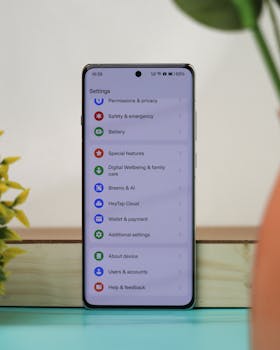
Head to Settings, tap System or General Management, then choose Reset or Reset Options. There, the reset network settings command sits alongside other reset types like factory reset.

The wording might differ across brands, but “reset network settings” is almost universally recognizable among the options. Initiate, and the device will confirm before erasing anything.

Remember: Interrupted resets or incomplete updates may cause new issues. Only start when battery levels are healthy or while charging, to guarantee the whole process finishes cleanly.

Accessing Reset Network Settings on iPhones

Tap Settings, then General, then either Transfer or Reset iPhone. Select Reset, followed by “Reset Network Settings.” Confirm with your passcode or Face/Touch ID.

iPhones reboot automatically after reset network settings. After the reboot, you’ll find no Wi-Fi or Bluetooth remembered, and VPN entries will be wiped. Cellular connections typically remain unaffected.

If you rely on Wi-Fi calling or eSIMs, reconfigure those settings after the process completes. Double-check custom carrier configurations if your plan used advanced features.

Collecting What You Need: Preparation Pays Off

Gathering crucial information before reset network settings will help you recover faster and prevent headaches, especially if your device stores several networks or security credentials.

Store passwords, unique SSIDs, and custom configuration files for work or specialized networks. Sometimes, screenshots or written lists are the easiest backup to have ready post-reset.

Assembling a One-Minute Checklist

Write down network names (SSIDs) and corresponding passwords you’ll need to reconnect. Save or screenshot VPN setup details and any DNS addresses, especially for work or privacy reasons.

Check that your SIM card is active and any required APN settings are backed up. This won’t affect most people, but it’s a common tripwire after international travel or carrier switches.

If your device links with many smart gadgets (such as thermostats or security cams), note their pairings as well. This way, reset network settings won’t leave smart home devices offline suddenly.

Speed Matters: Post-Reset Steps for Fast Recovery

After executing reset network settings, your phone acts as if it’s encountering every Wi-Fi or Bluetooth network for the first time. Prompt reconnection is crucial for smooth daily routines.

Begin with your home or work Wi-Fi, entering up-to-date credentials. Confirm whether you now connect without issues that triggered the reset originally.

Rebuilding Device History and Trusted Networks

Pair Bluetooth headphones, speakers, car audio, and major peripherals. Test for clear audio, smooth pairing, and no repeated dropouts that suggested a deeper hardware concern.

Add custom DNS or VPN info back where needed. If certain services require those changes, rely on screenshots or notes prepared before your reset network settings step.

Watch closely for any persistent bugs—repeating glitches after reset usually point to hardware or provider-side outages, rather than device misconfiguration.

When to Escalate Beyond Resetting

If the device refuses to reconnect after reset network settings, run a speed test and try another device on the same Wi-Fi. Consistent failures point to router or service outages.

Contact your internet service provider only if nothing works on all devices and networks. Document your troubleshooting steps for faster escalation and better support outcomes.

Hardware repair becomes necessary if resets, updates, and all recovery steps fail equally with new routers or different networks. Maintain a log of failed behaviors for the repair technician.

Staying Proactive: Keeping Connections Reliable Daily

Regularly verifying Wi-Fi and Bluetooth connections reduces the frequency of reset network settings attempts each month. Stay alert for unexplained dropouts or confusing error messages.

Revisit the security of your networks, making it a habit to update passwords and remove old, unused connections from device history as you go.

  • Restart the router monthly to clear memory leaks and keep connectivity snappy for all devices sharing the network.
  • Update your device’s OS and router firmware on schedule to patch security holes and optimize communication drivers for peak performance.
  • Unpair and forget obsolete Bluetooth or Wi-Fi networks, trimming device lists so only active connections remain and reducing connect time after restarts or travel.
  • Use a monitoring app to check real-time Wi-Fi signal strength, identifying weak spots and planning for extender placement if needed.
  • Set reminders to run speed tests after storms, major electrical work, or neighborhood outages to catch degraded service early and reduce future reset network settings sessions.

Routine maintenance prevents many network surprises and builds reliable digital routines for work, communication, and play.

Moving Forward: Putting Network Knowledge into Practice

Today’s reset network settings steps ensure you solve connectivity failures methodically, with peace of mind. Knowing what changes and how to prepare means no skipped beats in your daily rhythm.

Digital connections power not only entertainment but professional and personal bonds. Effective troubleshooting guarantees those lines stay open, whatever technical hiccups emerge over time.

Keep this article handy and revisit the steps before each reset network settings attempt. Mastering recovery processes lets you handle unexpected outages with calm, confidence, and efficiency.