
Mobile Games

MMORPG Games You Can Play With Friends Anywhere

Connect and adventure with friends around the globe in MMORPG games that work across PC, console, and mobile. Get actionable strategies for seamless group play and discover your next favorite title.

Advertisement

It starts with a friend sending you a message: “Let’s log on tonight?” That’s the magic MMORPG games deliver, letting groups connect and adventure together—anywhere internet reaches.

Finding MMORPG games with cross-platform play, active communities, and flexible social systems changes the way friends stay close, whether across town or continents. Accessibility matters.

This article details practical picks, hands-on tips, and smart strategies, so you’ll know which experiences are best for you and your friends, no matter where you are.

Choose the Right MMORPG Game For Your Group’s Style

Choosing a game that matches your group’s dynamic guarantees everyone’s fun. MMORPG games have unique atmospheres, paces, and mechanics—it pays to match personalities and play preferences.

Start by discussing what brings everyone joy. For example, if someone says, “I just want exciting boss fights,” that sets a clear direction toward MMORPG games known for challenging combat raids.

Align Game Features With Group Goals

One friend might love crafting, another is all about player duels. Opt for MMORPG games where social content—like guild quests or world bosses—balances both cooperation and competition.

Someone might say, “Let’s make our own guild and recruit.” Prioritize MMORPG games with strong community tools, in-game voice chat, or custom event calendars to elevate group cohesion.

If your group splits on preferences, try games that let players follow personal paths but regroup for big events. That way, everyone stays involved without pressure.

Assess Platform Compatibility and Accessibility

Before committing, check if the MMORPG games you consider run on everyone’s devices—Windows PC, Mac, or even mobile options for portability.

Look for titles with seamless cross-platform play. Someone might say, “I’m on my tablet tonight,” so the game needs to support flexible login from mobile or console.

MMORPG games with cloud saves and multi-device syncing let friends transition between desktop and handheld sessions, never missing a beat due to hardware limits.

Game Name Platform Social Features Best For
Final Fantasy XIV PC, Mac, PS5 Robust guilds, flexible parties Story-driven groups
World of Warcraft PC, Mac Voice chat, large-scale raids Competitive raiding
Guild Wars 2 PC World events, instant grouping Event-centric play
RuneScape PC, Mobile Cross-platform, community events Flexible sessions
Black Desert Online PC, Console Open-world guild wars PvP squads

Plan Fun Social Activities Inside MMORPG Worlds

Planning themed sessions adds anticipation. Set a regular weekly night, pick an in-game hangout spot, and rotate who leads your next group adventure.

Turn ordinary play into celebration: “Let’s have a costume contest by the lake,” or “Dungeon crawl with only starter gear.” Each activity bonds your group in unique MMORPG games fashion.

Rotate Event Leadership For Engagement

Hand off event planning to a different friend each session. This prevents burnout and sparks creativity since every organizer adds something fresh to the MMORPG games experience.

One night, someone might say, “We’re all using the same mount for a parade.” Another week: low-level gear challenge. Dynamic leadership keeps the group invested.

  • Assign themed challenges: Set a silly dress code or unique strategy for dungeon runs so everyone gets to show their creativity and stays motivated.
  • Host trivia: Before a raid, quiz friends about MMORPG games lore—winner picks the next goal. This injects energy and reinforces knowledge about your shared virtual world.
  • Create scavenger hunts: Hide a character in a city and give clues; whoever finds them first, wins. This approach gamifies downtime and encourages exploration.
  • Include screenshot contests: Capture dramatic, scenic, or hilarious moments. Voting on the best image brings laughter and a sense of group accomplishment.
  • Practice in-game dueling: Stage friendly duels with odd rules—like only using a particular skill. It allows skill-building without stress and balances competition with camaraderie.

A rotating schedule of these ideas keeps MMORPG games sessions lively, ensuring every player has a chance to shine and contribute meaningfully.

Use Built-in Social Tools And Add-ons

Maximize game interactivity. Invite friends using the game’s friend-system or form parties for voice chat. These direct methods minimize confusion and unite everyone in real time.

Try group calendar plug-ins or Discord integrations for MMORPG games that lack advanced tools. That bridges communication outside the game, keeping plans on track.

  • Use in-game messaging: Send reminders before events, share tips instantly about MMORPG games, and make group chat a habit to include quieter members.
  • Set up custom voice channels: Use Discord or built-in systems to coordinate strategies, share reactions, and participate fully, even if text-chat isn’t ideal for some.
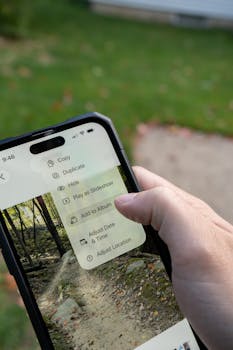
  • Create photo albums: Screenshot memorable victories, then upload them to shared cloud folders as a fun visual diary. Recap highlights in a monthly roundup post.
  • Divide roles for clarity: Appoint a loot tracker, event leader, and motivational cheerleader so everyone feels responsible for the group’s progress and spirit.
  • Sync game updates: Make sure all members run the latest patch. This avoids last-second delays and means more time together in favorite MMORPG games worlds.

Using these social strategies, every play session has clear communication, excitement, and a sense of belonging—keeping that core MMORPG games enjoyment front and center.

Adapt Play Sessions to Busy Adult Schedules

Flexible scheduling in MMORPG games means no one gets left behind. Game nights can fit around work and family if everyone agrees to use advance planning.

Rotate session times each month, or use simple polls—“Who’s free Thursday?”—so everyone finds a time. That way, friends with shifting responsibilities still log in for fun.

Designate Short, Purposeful Adventures

Some nights, a group might only have an hour. Tackle quick quests, world boss spawns, or short dungeons—MMORPG games always include bite-sized objectives perfect for time-crunched squads.

Pick a goal before launching: “Let’s just finish the achievement chain tonight.” Everyone stays focused, minimizing downtime and maximizing satisfaction, even on compressed schedules.

Track progress—list who’s missing a quest step, who needs crafting mats, and rotate focus. Shared checklists keep pressure low and ensure nobody falls behind the group pace.

Encourage Drop-in, Drop-out Play

Invite folks to join whenever possible. Even if they arrive late, MMORPG games let them catch up—use instant group invites or public event mechanics to reduce waiting.

Create an open-door vibe: “Pop in when you can. We’ll run another round when you’re here.” This stance prevents frustration from missed sessions and encourages steady participation.

Apply this to weekly schedules—post, “Session open from 6–10 p.m., join any time.” The approach prioritizes accessibility, keeping stress low while reinforcing the joy of shared missions.

Make The Most Of Cross-Platform Play

Cross-platform support lets players with different devices all join the same world. You’ll reach friends who game on console, PC, or phone by picking MMORPG games designed with flexibility in mind.

For example, a group where one person says, “I use my phone,” another plays on Switch, and another on desktop, needs a title like RuneScape or Genshin Impact with robust device syncing.

Sync Progress For Multi-Device Teams

Games with cloud-based saving let you move between devices with zero fuss. Check that your favorite MMORPG games have consistent updates and identical content across all supported platforms.

If a friend says, “I’ll start on my lunch break from my phone and finish from the PC at home,” select a game with automatic cloud syncing and cross-account login.

This setup turns busy days into seamlessgroup sessions—just remember, friends on mixed devices may need to adjust graphic settings or controls for smoother coordination during active play.

Keep Communication Friendly And Conflict-Free

Every successful MMORPG games group relies on communication habits that foster collaboration and keep the mood positive. Mistakes and setbacks happen—but with clear guidelines, teams stay upbeat.

Set simple ground rules: “No blaming, just strategize.” This invites everyone to problem-solve instead of point fingers when a raid goes wrong or someone misses a cue in a boss fight.

Use Immediate, Constructive Feedback

After a tough run, lead with what worked: “Nice last-minute heal.” If you need changes, say, “Let’s try switching roles, it could give us an edge.” Clear scripting reduces defensiveness.

Recognize non-verbal cues too—long silences or withdrawn chat messages could mean frustration. Gently check in and encourage honest sharing with prompts like, “What’d you think of that attempt?”

Praise specifics rather than generic, “Good job.” For example, “You timed the stun perfectly,” builds trust and shows teammates you’re present in each MMORPG games session.

Explore Less-Known MMORPG Games For Fresh Group Experiences

Many groups only try the most popular MMORPG games out of habit, but branching into under-the-radar titles yields exciting, novel challenges. Niche games can re-ignite a group’s enthusiasm.

Scout new releases or indie entries with dedicated communities. If someone says, “Let’s test something new this week,” shortlist MMORPG games with unique themes or experimental combat.

Shortlist and Try Recent Indie Titles

Indie MMORPG games offer close-knit communities and unexpected twists—think faction-based politics, story-driven choices, or quirky, stylized art. Research reviews for hints about community size and developer updates.

Coordinate trial runs—pick a weekend, download the game, and set a block of hours to play together for a good first impression. Document what your group liked using chat notes.

Even if you decide not to stay, the experience expands everyone’s knowledge of what’s possible in MMORPG games—and inspires new traditions for your core sessions.

Rotate Favorites and Hot-Swap Games

Avoid burnout by cycling between two or three MMORPG games. Appoint a volunteer to schedule “flavor of the month” events using different games already installed in your shared library.

Encourage honest reviews after each rotation. “Was this game as social as promised?” collects real feedback so each new pick serves the whole squad’s taste for the long run.

If a game doesn’t land, quickly pivot. Everyone should feel comfortable saying, “Let’s park this one and revisit next month.” Keeping rotation relaxed maintains fun, not obligation.

Stay Connected No Matter Where Life Takes You

Online friendships endure best when anchored in shared rituals. MMORPG games offer a digital meeting place, keeping friends close even after cross-country moves or packed schedules.

Setting regular reminders, like “Dungeon night every Friday,” gives everyone something to look forward to, providing continuity and belonging that outlasts busy stretches or travel seasons.

Whether your group’s favorite moments involve classic raids, wild in-game festivals, or simply chatting in a city square, MMORPG games bridge gaps that distance and time create.